

tempered laminated glass
Understanding 3-Way Gate Valves An Overview In various industrial applications, valves play a crucial role in controlling fluid flow and pressure. Among the myriad types of valves, the 3-way gate valve is particularly significant. This article aims to provide a comprehensive understanding of the 3-way gate valve, its applications, benefits, and operational nuances. What is a 3-Way Gate Valve? A 3-way gate valve is a type of valve that is designed to control the flow of fluids in three different directions. Unlike traditional gate valves that typically allow flow in a single direction, 3-way gate valves have three ports—one inlet and two outlets. This design allows for multiple flow configurations, enabling the valve to divert or mix fluids as required by the system. Design and Construction The construction of a 3-way gate valve involves two main components the valve body and the gate. The valve body is usually made from durable materials such as stainless steel, brass, or plastic, depending on the application's requirements. The gate is typically a solid piece that can slide up and down to open and close the flow path. In a 3-way configuration, the valve can be constructed to operate in one of two primary configurations L-shape or T-shape. An L-shaped valve allows flow between two outlets with the third port acting as an inlet, while a T-shaped valve can allow for flow from one inlet to both outlets simultaneously. Applications The versatility of 3-way gate valves makes them suitable for a wide array of applications across different industries 1. Water Supply Systems In municipal water distribution, these valves help in directing water flow from a main pipeline to various service lines or for mixing water from different sources. 2. Chemical Processing In the chemical industry, 3-way gate valves facilitate the mixing of two or more chemicals or direct the flow to different treatment plants. 3. Heating and Cooling Systems HVAC systems often use these valves to control the flow of heated or cooled fluids, allowing for efficient temperature management in buildings. 4. Oil and Gas In the oil and gas sector, 3-way gate valves are used to manage flow and pressure in pipelines, ensuring safe and efficient transport of crude and refined products. gate valve 3 way 5. Hydraulic Systems These valves help in redirecting hydraulic fluid to various components of hydraulic machinery. Benefits of 3-Way Gate Valves 1. Flow Control The ability to divert and control flow in multiple directions enhances system efficiency and flexibility. 2. Durability Constructed from high-quality materials, 3-way gate valves are designed to withstand high pressures and extreme conditions, ensuring long-lasting performance. 3. Maintenance These valves are relatively easy to maintain. Their simple design allows for quicker inspections and repairs, reducing downtime in industrial operations. 4. Versatility Their adaptability to various applications makes them a preferred choice across multiple industries. Operational Considerations While the advantages of 3-way gate valves are substantial, there are operational considerations to keep in mind. Proper installation and alignment are crucial to ensure optimal performance. Additionally, care must be taken to avoid the use of these valves in throttling applications, as their primary function is on/off control. Regular maintenance checks are essential to identify any potential wear or damage to the gate or seals that could impair functionality. Conclusion In conclusion, 3-way gate valves are integral components in many fluid control systems. Their unique design allows for efficient flow management in multiple directions, making them an invaluable asset across various industrial applications. By understanding their functionality, benefits, and operational requirements, industries can harness the full potential of these versatile valves, ensuring optimal performance and efficiency in their processes. As technology advances, the evolution of 3-way gate valves continues, promising even greater reliability and function for the future.
about
tempered laminated glass
Understanding the Functionality and Importance of Strut Channel Pipe Clamps In the realm of construction and engineering, strut channel pipe clamps play a vital role in ensuring structural integrity and efficient installation of various components. These versatile tools are an indispensable part of many industrial and commercial projects, providing a secure and reliable method for attaching pipes to strut channels. A strut channel, often referred to as C-channel or Unistrut, is a metal framing system that serves as a support structure for a wide range of applications. It's primarily made from high-strength steel, offering excellent load-bearing capacity and durability. The channel's unique shape allows it to accommodate different types of fasteners and attachments, including pipe clamps. Pipe clamps, on the other hand, are designed to securely hold pipes in place, preventing unwanted movement or vibration. They are typically made from robust materials like stainless steel or heavy-duty aluminum, ensuring both strength and resistance to corrosion. When combined with strut channels, they form a robust assembly that can withstand harsh environmental conditions and heavy loads. The strut channel pipe clamp system offers numerous advantages. Firstly, its modular design enables quick and easy installation, reducing labor costs and project timelines. Secondly, it provides flexibility, allowing adjustments to be made as needed, which is particularly useful in dynamic environments where changes may be required Secondly, it provides flexibility, allowing adjustments to be made as needed, which is particularly useful in dynamic environments where changes may be required Secondly, it provides flexibility, allowing adjustments to be made as needed, which is particularly useful in dynamic environments where changes may be required Secondly, it provides flexibility, allowing adjustments to be made as needed, which is particularly useful in dynamic environments where changes may be required strut channel pipe clamp . Lastly, the system ensures safety by maintaining the stability of pipes, minimizing the risk of leaks or accidents. There are various types of strut channel pipe clamps available, each tailored to specific needs. Some feature adjustable brackets for accommodating pipes of different diameters, while others have specialized locking mechanisms for added security. Moreover, there are clamps designed for seismic areas, capable of withstanding strong vibrations and earthquakes. In conclusion, strut channel pipe clamps are an essential element in modern construction and engineering practices. Their ability to provide a secure and adaptable connection between pipes and strut channels makes them a go-to solution for a multitude of applications. From HVAC systems to electrical conduits, these clamps ensure efficient and reliable performance, contributing significantly to the overall stability and safety of a structure. As technology advances and construction standards evolve, the importance of strut channel pipe clamps will only continue to grow.
-

High quality industrial productsagement

High quality industrial products
View Details -

Meet the diverse needs of customers

Meet the diverse needs of customers
View Details -

Strict quality control

Strict quality control
View Details -

Top raw materials

Top raw materials
View Details -

Trusted supplier

Trusted supplier
View Details
Our application
news and information
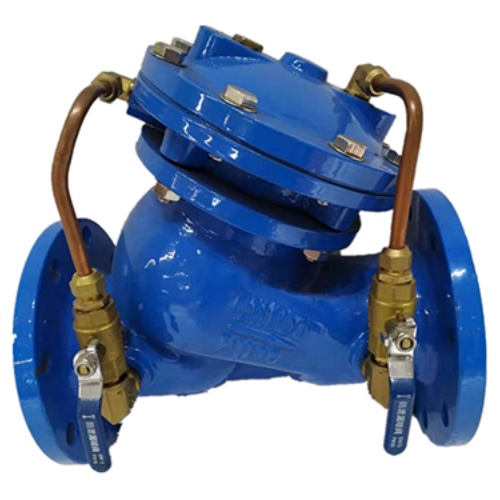
valvola di ritegno non slam
Valvole di Non Ritorno Un'Analisi Approfondita Le valvole di non ritorno, conosciute anche come valv

Versatile Large Metal Strainer for Efficient Kitchen Tasks and Food Preparation Needs
The Benefits and Versatility of Large Metal Strainers In the culinary world, the tools we use can si

water valve which way is open
Understanding Water Valves Determining the Open Position Water valves play a crucial role in plumbin
 English